Norwood Scale: Staging Guide for Hair Transplant Planning
Norwood I–VII stages male pattern baldness. Staging guides hairline design and graft planning, but donor supply and hair thickness still drive the final plan.
Read article →Blog
Short articles on hairlines, simulation, and consult prep—for patients and clinic teams. Every post includes a medical disclaimer.
Norwood I–VII stages male pattern baldness. Staging guides hairline design and graft planning, but donor supply and hair thickness still drive the final plan.
Read article →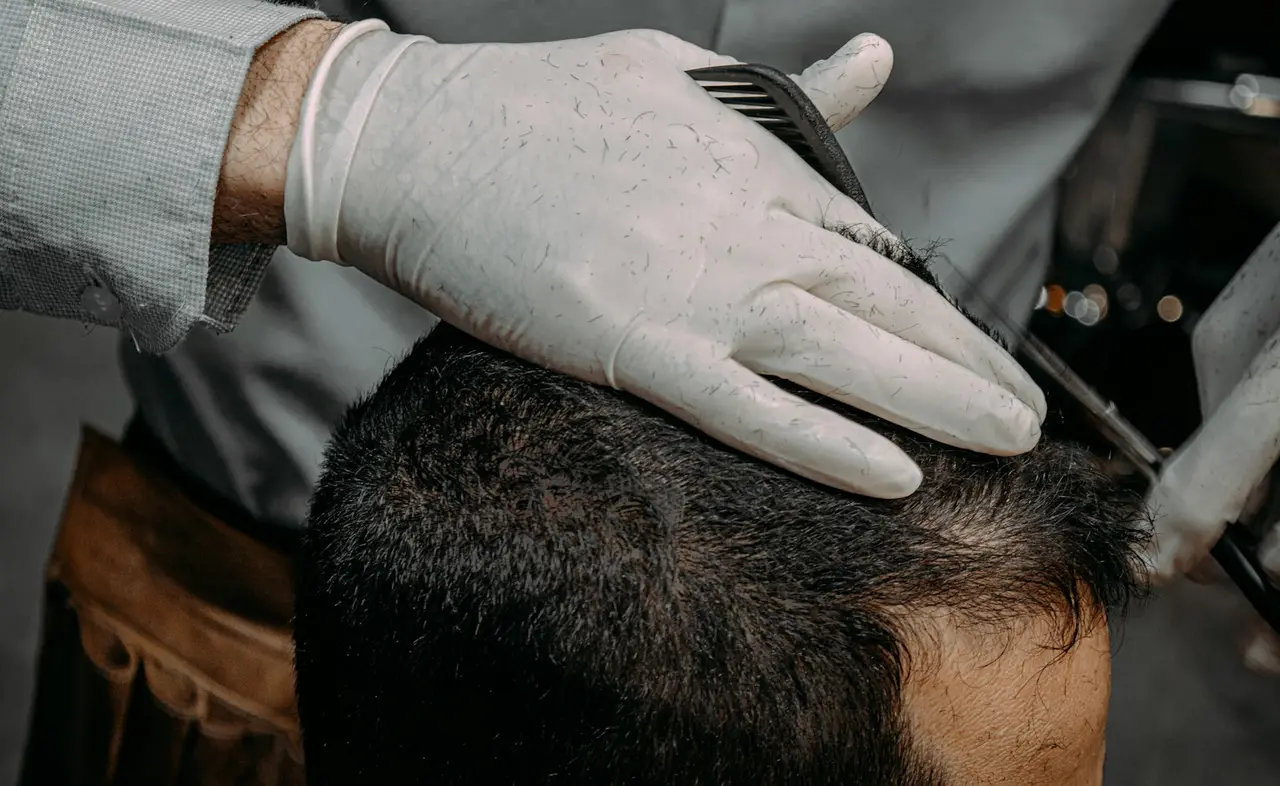
How the Norwood scale maps donor limits and guides graft survival in advanced hair restoration
Read article →
What to expect with post‑transplant shedding, when regrowth begins, and how to tell normal from delayed loss.
Read article →
Learn how to balance follicular unit density targets with natural appearance in hair transplant planning, prioritizing facial framing and coverage over maximum
Read article →
PRP therapy for androgenetic alopecia shows modest hair density gains in early-stage thinning but varies by preparation protocol. Learn evidence-based efficacy,
Read article →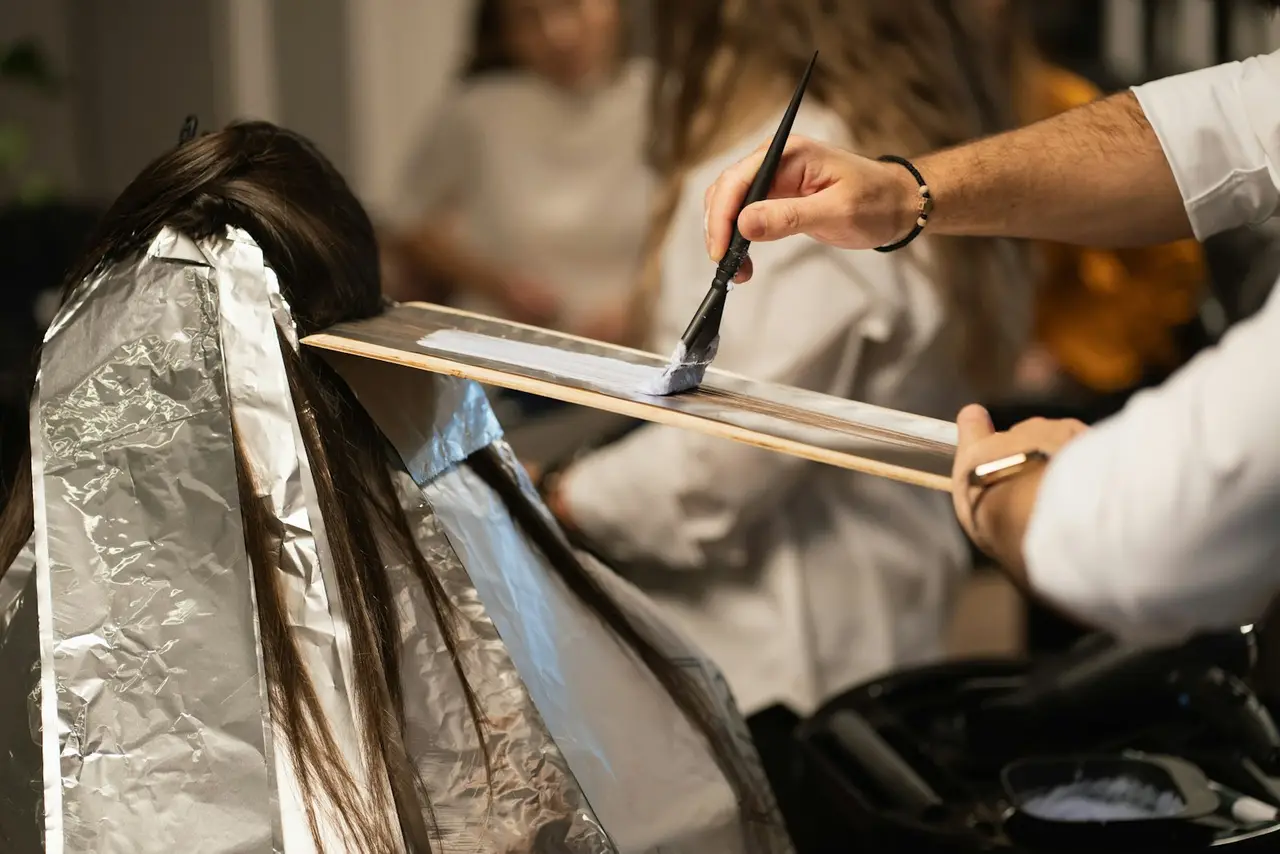
Trichoscopy and follicular miniaturization are noninvasive techniques used to evaluate hair loss by assessing hair shaft diameter and confirming androgenetic al
Read article →
Learn critical graft survival factors in hair transplants, including handling techniques, ischemia time, and recipient site preparation, supported by clinical e
Read article →
Shock loss post-hair transplant involves temporary shedding of native and transplanted hairs, peaking at 2-6 weeks and resolving by 3-4 months. Most patients se
Read article →
Learn how the Ludwig classification stages female pattern hair loss (I-III) and how HairArchitect AI uses it for personalized treatment plans, assessing hair de
Read article →Budget beyond per-graft quotes: consult fees, staged sessions, meds, travel, and scope. Not a price list.
Read article →Scan, check face proportions, drag a hairline, preview density, get graft counts, export for your clinic. Step by step in plain terms.
Read article →Notes on donor limits, line design, OR staffing, meds, and recovery. For patients visiting a second or third clinic.
Read article →Why graft calculators vary, what affects donor supply, and how to use estimates as a planning aid—not a competition score.
Read article →Most consults fail on mismatched pictures, not bad technique. A preview on your own photo helps. Here is what to look for in the app.
Read article →Phi grids travel well on phones. In the chair, surgeons still weigh age, donor hair, and how a line will age with you.
Read article →First-week graft care, optional PRP, and photo uploads some clinics use—what helps and what is oversold.
Read article →Hair health is no longer judged solely by chronological age. New biological scalp profiling in 2026 shows that environmental factors and genetics can age your scalp faster than your birth certificate suggests. Learn how AI-driven analysis identifies these patterns early for optimized hair transplant outcomes and long-term follicular health preservation.
Read article →How apps map facial landmarks for hairline drafts, what surgeons still decide by hand, and why simulation belongs in the consult—not the OR.
Read article →Golden ratio maps are proportion guides, not beauty rules. How surgeons and apps use face landmarks as a starting curve.
Read article →FUE and DHI differ in how grafts go in, not in what you map on a hairline draft. Plan shape and density first. Pick technique with your surgeon.
Read article →Step-by-step: measure recipient area, pick target density, understand donor limits, and use graft calculators as a conversation starter with your surgeon.
Read article →What planning apps do well, where they fall short, and how to pick one your clinic will actually open during consults.
Read article →