HairArchitect · Blog
PRP Therapy for Androgenetic Alopecia: Evidence, Efficacy, and Protocols
PRP therapy for androgenetic alopecia shows modest hair density gains in early-stage thinning but varies by preparation protocol. Learn evidence-based efficacy,
게시됨 · 업데이트됨
작성 Priya Anand · Senior Health Editor
의학 감수 Dr. Erkam CAYMAZ · Hair restoration surgeon
TL;DR
PRP therapy for androgenetic alopecia shows modest hair-density gains in some patients, but evidence varies by preparation protocol and individual response. It works best as an adjunct to established treatments, not a standalone cure. Patient selection matters: early-stage thinning responds better than advanced baldness.
What PRP Actually Does for Hair Loss
Platelet-rich plasma (PRP) is exactly what it sounds like: a concentrated fraction of your own blood plasma loaded with platelets. Platelets carry growth factors like PDGF, VEGF, and TGF-beta, which are signaling proteins involved in wound healing and tissue repair. The theory behind PRP for hair loss is simple. Inject these growth factors into thinning scalp tissue, and you may stimulate follicular activity, extend the anagen (growth) phase, and improve vascular supply to the follicle. The reality is more complicated. PRP is not a single standardized treatment. It is a category. How blood is drawn, how it is centrifuged, what concentration of platelets results, whether activators like calcium chloride or thrombin are added, and how injections are spaced all change what ends up in the syringe. This is why published results range from significant density improvements to no measurable difference from placebo.
A systematic review of PRP for androgenetic alopecia found that evidence supports its use as an adjunct therapy, but outcomes depend heavily on protocol and patient selection. Translation: PRP can help, but it is not a guaranteed result, and comparing studies is difficult because no two protocols are identical.
How PRP Is Prepared and Administered
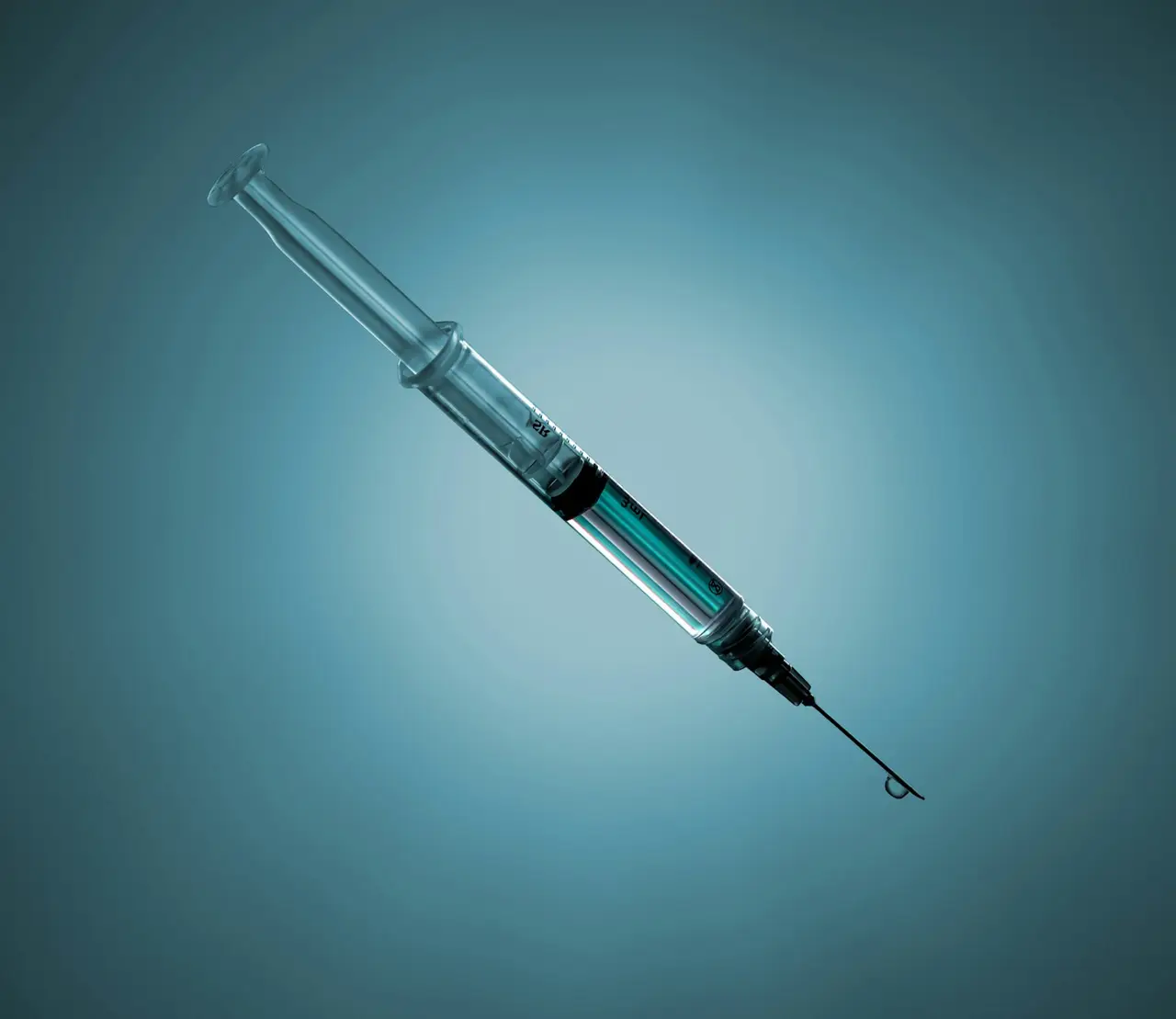
A typical PRP session goes like this. A clinician draws 10 to 60 milliliters of your blood. The blood is centrifuged, spun at high speed, to separate red blood cells, white blood cells, and plasma. The platelet-rich layer is extracted and prepared for injection. Some protocols use a single spin. Others use double-spinning to achieve higher platelet concentrations. There is no consensus on the optimal platelet concentration for hair growth. The PRP is then injected into the dermis of the scalp at the level of the hair follicles, typically using a fine needle. Injection depth and pattern matter. Too superficial and you get epidermal pooling. Too deep and the growth factors may not reach the follicular bulge region where stem cells reside. Sessions are usually spaced 2 to 4 weeks apart for an initial series of 3 to 4 treatments, followed by maintenance sessions every 6 to 12 months. Again, this is a common protocol, not a universally validated one.
- Blood draw: 10 to 60 mL from the patient
- Centrifugation: single or double spin to isolate platelet-rich fraction
- Activation: optional addition of calcium chloride or thrombin
- Injection: intradermal at follicular depth, typically across the thinning zone
- Schedule: 3 to 4 initial sessions over 6 to 12 weeks, then maintenance every 6 to 12 months
The lack of standardization is the central problem in PRP research. One study may use double-spin centrifugation with calcium activation and 1.5 billion platelets per mL. Another may use single-spin without activator at a third of that concentration. Comparing their results is like comparing two different drugs. This is why systematic reviews often conclude that PRP shows potential but that protocol optimization is needed before broad clinical recommendations can be made.
What the Evidence Says About Efficacy
Published studies on PRP for androgenetic alopecia report a range of outcomes. Some show statistically significant increases in hair density and hair diameter. Others show marginal improvement or no difference from control injections. The systematic review noted above concluded that PRP has demonstrated efficacy in multiple studies but that the evidence base is limited by heterogeneity in protocols and small sample sizes. Here is what the better-designed studies tend to show. Patients with early to moderate androgenetic alopecia, Norwood stages II to V in men and Ludwig grades I to II in women, tend to respond better than those with advanced baldness. PRP appears to increase hair count per square centimeter and hair shaft diameter in responders. The effect is not permanent. Maintenance sessions are required to sustain results, and discontinuation typically leads to regression over 6 to 12 months. It is also worth noting what PRP does not do. It does not regrow hair in completely bald areas where follicles have already miniaturized to fibrosis. It does not replace hair transplant surgery for patients who need follicular relocation from donor to recipient areas. And it does not eliminate the underlying hormonal driver of androgenetic alopecia, which is dihydrotestosterone (DHT).
For patients considering hair transplant surgery, PRP is sometimes used as an adjunct to improve graft survival or stimulate existing native hair in the recipient zone. The basic principles of hair transplantation involve harvesting follicular units from the donor area and implanting them into the recipient zone, and PRP may play a role in supporting the healing and viability of those grafts. However, the evidence for PRP as a graft survival enhancer is still emerging and not yet conclusive.
Patient Selection: Who Responds and Who Does Not
PRP is not for everyone. The best candidates share certain characteristics. They have early to moderate hair thinning, not advanced baldness. They still have viable follicles in the treatment area, confirmed by trichoscopy or clinical exam. They are realistic about outcomes and understand that PRP is a maintenance therapy, not a cure. Patients who are unlikely to benefit include those with fully bald areas where follicles have been gone for years, those with scarring alopecia where the follicular architecture is destroyed, and those whose hair loss is driven by non-androgenetic causes that PRP does not address. The ISHRS patient guide emphasizes the importance of proper diagnosis before any hair restoration treatment. Understanding the cause of your hair loss determines which treatments are appropriate. PRP is one tool in a larger toolkit that may include minoxidil, finasteride, low-level laser therapy, and surgical transplantation.
- Good candidates: early to moderate androgenetic alopecia (Norwood II to V, Ludwig I to II)
- Good candidates: viable follicles present in treatment zone, confirmed by trichoscopy
- Poor candidates: completely bald areas with long-standing follicular loss
- Poor candidates: scarring alopecia or non-androgenetic hair loss conditions
- Realistic expectations: PRP is adjunctive and requires maintenance
Age also plays a role. Younger patients with rapidly progressing hair loss may not be ideal candidates because their loss is outpacing what PRP can stabilize. Older patients with stable, slow-progressing thinning may see better sustained results. A qualified hair restoration physician can assess your individual situation using tools like trichoscopy, hair density measurement, and classification scales like Norwood-Hamilton for men and Ludwig for women.
PRP Versus Other Hair Loss Treatments
PRP does not exist in a vacuum. It competes with and complements other treatments. Minoxidil and finasteride remain the two FDA-approved medications for androgenetic alopecia, and they have substantially larger evidence bases than PRP. PRP is often positioned as an add-on for patients who want to maximize their results or who cannot tolerate systemic medications. For patients who have advanced to the point where medical therapy is insufficient, hair transplant surgery is the next step. The fundamental principle is relocating DHT-resistant follicles from the donor zone to the recipient area. PRP cannot replicate this. It can only work with follicles that are still present and functional. A reasonable treatment hierarchy looks like this. Start with diagnosis. Then consider first-line medical therapy (minoxidil, finasteride). Add PRP if response to medication is incomplete or if you want adjunctive support. Consider transplant when medical and PRP approaches are not enough to achieve your coverage goals.
Risks, Side Effects, and Practical Considerations
PRP is generally well tolerated because it uses your own blood. The risk of allergic reaction or immune response is minimal. Common side effects include temporary scalp tenderness, mild swelling, and pinpoint bleeding at injection sites. These typically resolve within 24 to 48 hours. Less common but possible risks include infection at injection sites, injury to blood vessels or nerves from improper technique, and inconsistent results from protocol variability. Choosing a qualified provider matters. The ISHRS maintains a directory of hair restoration physicians, and selecting someone with experience in both PRP and surgical hair restoration ensures you get a treatment plan appropriate for your stage of hair loss. Cost is another factor. PRP is rarely covered by insurance because it is considered elective or experimental for hair loss. Patients should expect to pay out of pocket for both the initial series and ongoing maintenance. Pricing varies widely by provider and geography, and there is no standard rate. Be cautious of clinics that package PRP as a guaranteed solution or push aggressive treatment packages without first assessing your candidacy.
Setting Realistic Expectations
If you are considering PRP, go in with clear eyes. The treatment may increase hair density and shaft diameter. It may slow the rate of thinning in responsive patients. It will not regrow hair in areas that have been bald for years. It requires ongoing maintenance to sustain results, and even then, individual response varies. The ISHRS patient guide stresses that realistic expectations are critical to satisfaction with any hair restoration treatment. No treatment, whether PRP, medication, or surgery, can restore your hair to its adolescent density. The goal is improvement, not perfection. A good clinician will show you before-and-after photos of patients with similar hair loss patterns, explain what PRP can and cannot achieve for your specific situation, and build a plan that may combine multiple approaches. PRP has a place in the hair loss treatment field. It is not a miracle. It is a tool. Used correctly in the right patient, it can contribute to meaningful improvement. Used incorrectly or in the wrong patient, it wastes time and money.
Frequently Asked Questions
Does PRP work for androgenetic alopecia?
Evidence suggests PRP can increase hair density and shaft diameter in some patients with androgenetic alopecia, particularly those with early to moderate thinning. A systematic review found it shows promise as an adjunct therapy, but results vary by protocol and individual response. It is not a standalone cure.
How many PRP sessions are needed for hair loss?
Most protocols involve an initial series of 3 to 4 sessions spaced 2 to 4 weeks apart, followed by maintenance sessions every 6 to 12 months. There is no universally validated schedule, and protocols vary between clinics and studies.
Is PRP better than minoxidil or finasteride?
PRP does not have the same depth of evidence as minoxidil and finasteride, which are FDA-approved for androgenetic alopecia. PRP is typically used as an adjunct to these medications, not a replacement. Your physician can help determine the right combination for your situation.
Can PRP regrow hair in completely bald spots?
No. PRP works by stimulating existing follicles. In areas where follicles have been gone for years and the scalp has become smooth and fibrotic, PRP cannot regrow hair. Those areas typically require hair transplant surgery to relocate follicles from the donor zone.
Are PRP results permanent?
No. PRP results are not permanent. Maintenance sessions are required to sustain any improvement. If treatment is discontinued, hair density typically regresses over 6 to 12 months as the underlying androgenetic process continues.
What are the side effects of PRP for hair loss?
Common side effects include temporary scalp tenderness, mild swelling, and pinpoint bleeding at injection sites. These usually resolve within 1 to 2 days. Serious complications are rare but can include infection or nerve injury from improper injection technique.
Key Takeaways
Key takeaways
- PRP shows modest efficacy for androgenetic alopecia in some patients, but evidence is limited by protocol variability and small sample sizes.
- Best candidates have early to moderate thinning with viable follicles still present. Advanced baldness does not respond to PRP.
- PRP is an adjunct therapy, not a replacement for minoxidil, finasteride, or hair transplant surgery.
- Results require ongoing maintenance sessions. Discontinuation leads to regression within 6 to 12 months.
- Choose a qualified hair restoration physician for proper diagnosis and treatment planning. The ISHRS directory is a starting point.